Resources
The MIT Astro 168 Study Guide
The MIT physics department has an oral qualifying exam requirement that all PhD students must pass on their journey to becoming doctors. Each division of the physics department handles this exam differently. The astrophysics division provides a list of 168 astrophysics-oriented questions that a student may potentially be asked during this exam, which are meant to serve as a guidance for students' studying. During my studying for this exam, I typed up answers to each of these questions, and I've decided to provide these notes publicly here. My hope is that these notes will be useful not only to future generations of MIT PhD students, but also to anyone with an interest in astrophysics that wants to learn more about the topics that are studied in graduate school! I also hid some memes in there to break up the monotony of studying every once in a while.
Note that these notes were created for the 2023-2024 academic year, and the list of questions may change in the future (as it has in the past).
MIT Organizations
Astrogazers
The Astrogazers are an outreach group based out of the MIT Kavli Institute for Astrophysics and Space Research (MKI). We are passioante about sharing the wonders of the universe with the public in the greater Cambridge/Boston area and host many observing events whenever the weather is favorable. Check out our website for more information about the team members and our event schedule.

PGSC
The Physics Graduate Student Council (PGSC) works with the department to improve the physics curriculum and degree requirements at MIT, advises MIT graduate admissions, and organizes community events such as open houses for prospective students, pizza and cookie socials, and end-of-year events. Learn more on the PGSC website!
GAGA
The Physics Admissions Advisory Council, AKA Graduates Advising Graduate Admissions (GAGA), is a subcommittee of the PGSC that advises the MIT Chair of Admissions from the perspective of the graduate students to improve the admissions process. They also organize a mentorship program for prospective applicants to the MIT Physics PhD program called PhysGAAP (see below).

PhysGAAP
The Physics Graduate Application Assistance Program (PhysGAAP) is a program built to assist prospective MIT Physics PhD students in the application process. The program offers webinars, office hours, and one-on-one mentorship sessions with current MIT Physics graduate students. The goal of the program is to improve the admissions process and ensure that talented students from all backgrounds are considered. If you're a prospective graduate student interested in applying to MIT, consider signing up for the PhysGAAP program!
Disclaimer: I am not involved in the remaining organizations in this section; I provide their information here solely to make this site a hub for those who may find this information useful.
PhysREFS
The Physics Resources for Easing Friction and Stress (PhysREFS) program organizes a mentorship program from senior graduate students to provide students with the proper guidance and resources they need to get through their academic pursuits. They also provide study resources to aid students in studying for the written qualifying exams. Check out the PhysREFS website for more details.
PVC
The Physics Values Committee (PVC) writes and upholds the Physics Values Statement for the MIT Physics Department, ensuring that members of the community treat each other with respect and decency. They also make recommendations to the department to make sure that these values are upheld and that the department continues to be a welcoming environment.
GMU Organizations

Spectrum
Spectrum is a student-led organization founded at George Mason University that is dedicated to Diversity, Equity, and Inclusion (DEI) initiatives. Spectrum runs a student peer mentorship program, works with the GMU physics department to improve department policy, hiring, and admission processes to be more diverse and inclusive, and hosts social events with the department.
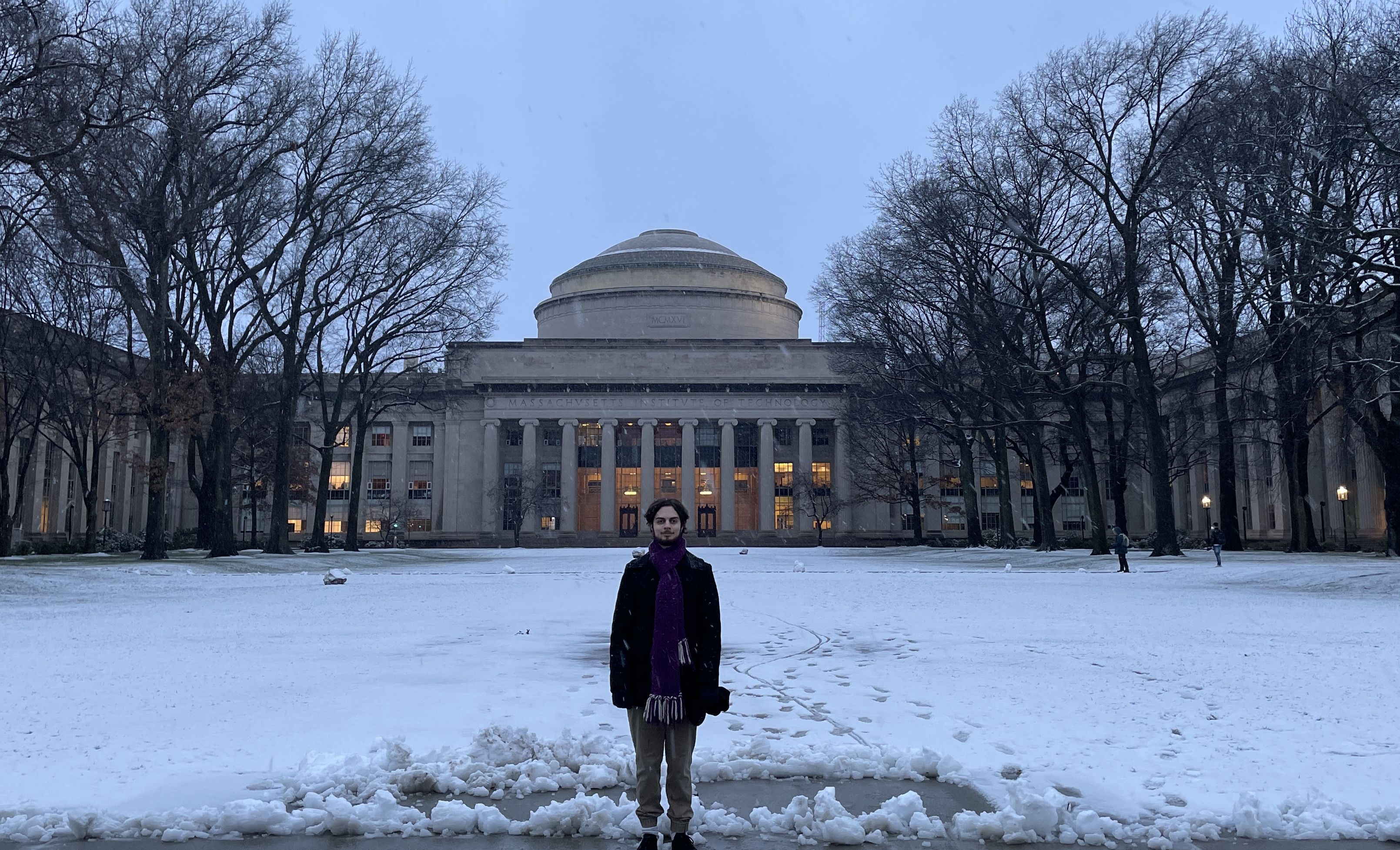
Current Affiliations
MIT Department of Physics
MIT Kavli Institute for Astrophysics and Space Research
-
The McDonald Group
A research group led by MIT professor Mike McDonald that explores galaxy clusters, galaxy formation, the intracluster medium, and AGN feedback.
Past Affiliations
GMU Department of Physics & Astronomy
-
The Black Hole-Galaxy Connection (BGC) Group
A research group led by GMU professor Shobita Satyapal that investigates the interactions between AGNs and their host galaxies.
-
The Exoplaneteers
A research group led by GMU associate professor Peter Plavchan that focuses on exoplanet follow-up validation and characterization efforts.
-
GMU Observatory
The observatory that hosts the 0.8-meter telescope at GMU's main Fairfax campus.